
Two States Divided.

An alternate-history set in 1895.

Thirty years have passed since the Civil War - The States of Sonora and Versailles remain divided by the wartime settlement that separated them. The Dakota River and Flat Iron Lake have become contentious areas and lawmakers still dispute the land, trade, and authority.

The masses have moved on from the past and look towards a brighter future. They cross the river for work, buy from one another, and marry into families whose account of the war differs from their own. A merchant may resent the neighbouring state and still depend on its customers.

Old grievances are easier to maintain when they do not interfere with a living however the growing conflict and discourse threatens to drag both States back into dark times.

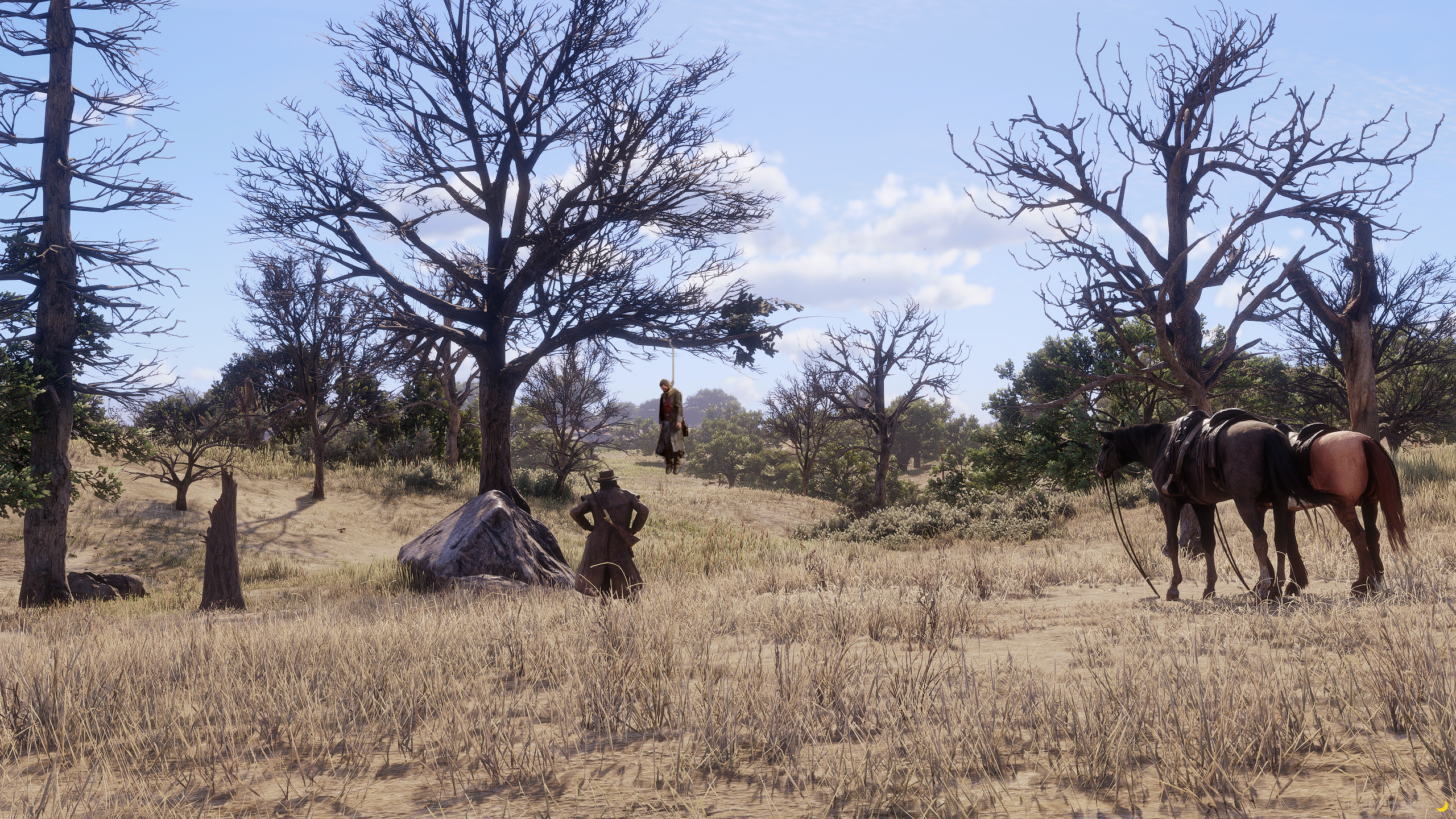
A man hanged from a dead tree on dry Sonora grassland, a lone figure and two horses nearby

West of the Dakota

Sonora

Sonora was a country of Spanish and Mexican settlements, ranches, and trading towns before it became a state. Older families held land and water rights under agreements that predated American administration. Statehood added new officials and new claims to records that were already complicated.

The constitution recognised English and Spanish in law and promised equal civil standing. Applying it across the enlarged state proved harder than agreeing to its words. A deed accepted in one office could still be questioned in another, particularly when valuable land was involved.

Blackwater gained most from the partition. The former western port of Versailles became a centre of Sonora’s commerce and government. Its merchants wanted investment, reliable transport, and secure passage across Flat Iron Lake. Farther south, families around Armadillo and Tumbleweed were more concerned with water, supplies, and how much attention Blackwater would spare them.
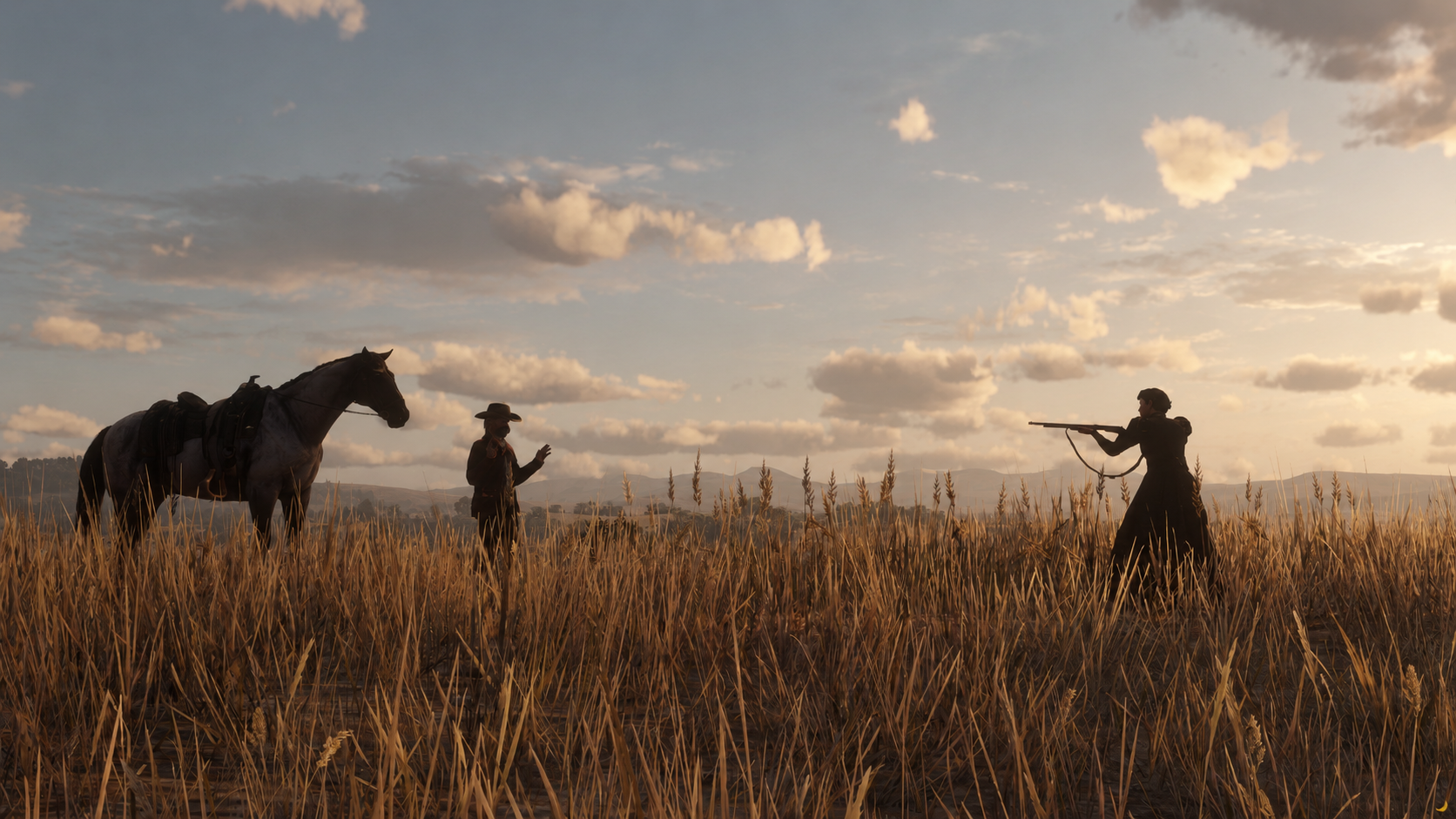
A rifleman faces a man and his horse across tall prairie grass in Versailles

East of the Dakota

Versailles

Versailles had paid for roads, public buildings, and western expansion before the war. Afterward, it was left with debts attached to property it no longer governed. Its leaders regarded the partition as a loss imposed during a national crisis. Sonora regarded it as settled law. The Commonwealth's continued claims on the Dakota and Flat Iron Lake are partly an attempt to retain influence over trade it once controlled.

Saint Denis remained wealthy through river commerce and industry. Its influence reached well beyond the city, though people in smaller towns had their own views about how that influence was used. Valentine depended on the surrounding ranch country. Rhodes served the farms of Scarlett Meadows. Annesburg’s growth followed coal and railway demand.

The Commonwealth rebuilt, but recovery was uneven. Some families recovered their position quickly. Others sold land, left town, or went to work for people they had once considered their equals. Those changes are still remembered, especially when an account comes due.

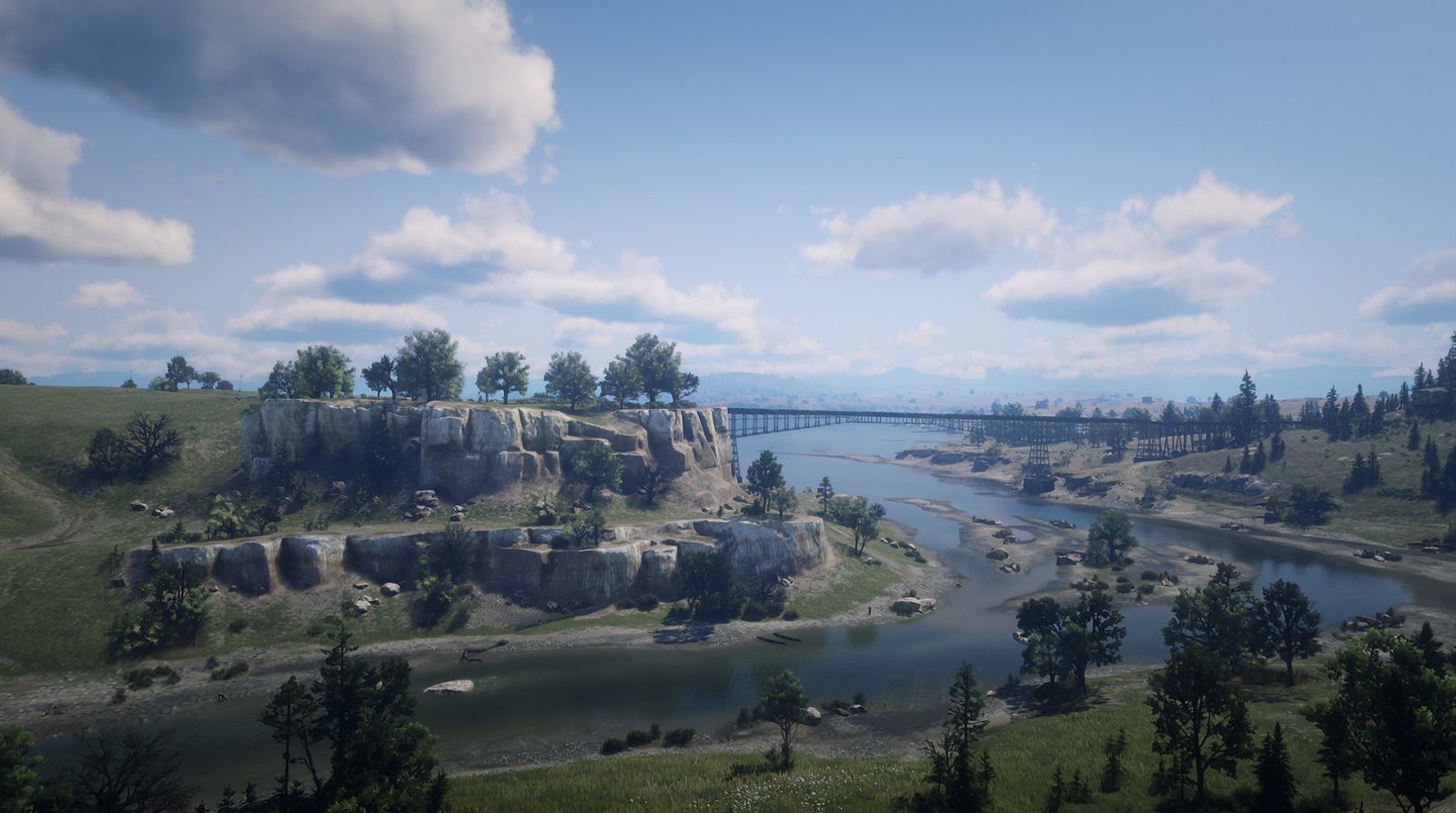
The Dakota River winding past pale limestone cliffs toward a long railway trestle under a bright sky

The river still divides them, but it does not keep them apart. Wagons cross. Goods change hands. Outlaws flee one side for the other. Lawmen keep watch.

And beneath it all, old grudges still smolder like coals in a dead fire.